How to DIY Your AC Installation
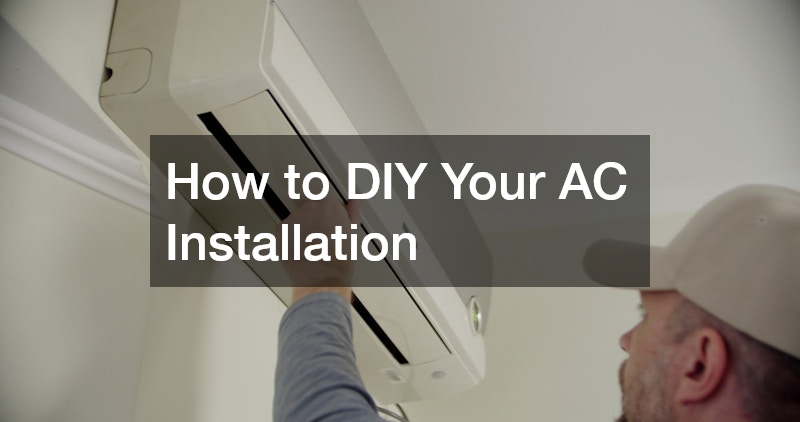
In this article, we will explore the steps and considerations involved in DIY AC installation, ensuring that everything from preparation to execution is comprehensively covered. This guide is aimed at helping you understand the process, necessary tools, safety precautions, and maintenance tips for your AC unit installation. By end of this guide, you should be well-equipped to handle a DIY AC installation with confidence.
1. What Tools and Materials Do You Need for DIY AC Installation?
Before embarking on a DIY AC installation, it is crucial to gather all necessary tools and materials to ensure a smooth process. Essential tools include a screwdriver set, a power drill, a level, and a measuring tape. Additionally, you may require a stud finder, wire strippers, and a ladder, depending on your specific installation needs. Materials such as mounting brackets, screws, wall anchors, and insulation tape are also essential to have on hand. Preparing your workspace with a comprehensive toolkit will reduce interruptions and help you carry out the installation efficiently.
Understanding the specifications of your AC unit is another important step in this process. Each unit requires a unique set of considerations when it comes to materials and tools. For instance, some units might be heavier or larger, demanding stronger or additional mounting equipment. Accurate measurements of the area where the AC will be installed are imperative to ensure a snug fit and proper operation. Thus, studying the manual and the AC unit’s requirements will guide you in assembling the right tools and materials.
Ensuring that all tools and materials are available before starting the installation will contribute significantly to the project’s efficiency and success. Setting everything up in advance can help you visualize the process and anticipate any challenges. It can also prevent the need for multiple trips to the hardware store, saving you both time and effort. Moreover, having the right tools ensures that the installation is stable and secure, preventing any potential problems down the line. Proper planning and preparation are key to a successful DIY AC installation.
2. How to Ensure Safety During AC Installation?
Safety is paramount when it comes to DIY AC installation, given the involvement of electricity and potentially heavy equipment. First and foremost, always ensure the power supply to the area of installation is turned off to avoid any electrical hazards. Wearing proper protective gear, such as gloves and safety goggles, is essential to safeguard against physical injuries. Additionally, using a stable ladder and having a second person assist you can prevent accidents related to handling bulky parts or working at heights. These safety measures are crucial in preventing injuries and ensuring a smooth installation process.
Understanding the load capacity of your electrical circuit is another critical safety consideration. Overloading can lead to circuit failures or even fires, posing a significant risk to both the installer and the property. It is advisable to consult with an electrician if there’s any uncertainty regarding the electrical demands of your AC unit. Furthermore, ensure that the unit is securely mounted to prevent it from dislodging, which could cause damage or injury. Adhering to these precautions helps mitigate risks associated with electrical applications.
Finally, acknowledge and respect any limitations in your DIY abilities when it comes to AC installation. Some projects might require professional expertise, especially if it involves complex electrical connections or significant structural modifications. Recognizing when to seek professional help can prevent accidents and costly mistakes. Always consult the manufacturer’s manual and adhere to local building codes to ensure compliance and safety. These guidelines will ensure that your DIY efforts remain safe and effective without risking personal harm or property damage.
3. What Are the Steps for Installing an AC Unit?
The first step in the DIY AC installation process is to select an appropriate location for the unit. The site should be free from direct sunlight and obstructions to maintain efficiency and ensure optimal airflow. Once you’ve chosen a suitable spot, mark and drill the necessary holes for mounting the bracket. Verify that the bracket is level to ensure the unit functions correctly and doesn’t pose a risk of falling. Ensuring proper positioning and secure mounting are critical to the unit’s performance and longevity.
After mounting the bracket, proceed by installing the AC unit onto the bracket. Securely fasten it to prevent any movement that could disrupt its operation. Connect the electrical wiring as per the manufacturer’s instructions, ensuring all connections are tight and safe. The coolant lines must be properly sealed to prevent leaks, which could reduce the system’s efficiency. Double-check all connections and secure the cover panels to finalize the installation.
Upon completing the installation, it’s vital to test your AC unit to confirm it functions correctly. Turn on the power and adjust the settings to ensure it cools evenly and efficiently. Monitor the unit for any unusual noises or vibrations, which could indicate an installation flaw. Regular maintenance checks will ensure optimal performance and extend the lifespan of your AC unit. With careful adherence to these steps, your DIY AC installation will meet both performance and safety standards.
4. How Do You Conduct Maintenance on a DIY Installed AC?
Regular maintenance is vital for ensuring the efficiency and longevity of your DIY-installed AC unit. Begin with a routine check of filters; they should be cleaned or replaced regularly to ensure optimal airflow and to prevent strain on the system. Checking the condenser coils for dirt and debris is also important, as blocked coils can lead to reduced cooling efficiency. Additionally, inspect the refrigerant levels regularly and top them up as needed according to the manufacturer’s guidance. Following a consistent maintenance routine can help avoid costly repairs and prolong your unit’s usability.
Proper maintenance also involves examining electrical connections and components. Tighten any loose wires or connections to prevent electrical failures that could disrupt the AC unit’s functioning. It’s advisable to periodically inspect the thermostat to ensure it’s accurately reading the room temperature and properly controlling the unit. An effective maintenance regimen includes lubricating moving parts to minimize friction and wear. Conducting these checks regularly reduces the risk of malfunctions and increases the system’s reliability.
Listening to unusual sounds can also be a key indicator that maintenance is required. Rattling noises often point to loose components, while buzzing could indicate electrical issues. Addressing these problems promptly prevents them from escalating into significant deficiencies or damages. Additionally, maintaining clear drainage tubes prevents water from backing up and causing leaks. A proactive approach to maintenance enables your AC unit to function optimally and helps in anticipating problems before they occur.
5. What Are Common Mistakes to Avoid During DIY AC Installation?
One common mistake during DIY AC installation is neglecting the importance of correct positioning and leveling of the unit. Some installers overlook the necessity of verifying that the AC is level, which can lead to improper operation and increased wear on components. Additionally, positioning the AC unit in a location that receives direct sunlight or where airflow is restricted severely hampers efficiency. Considering these factors is essential to the system’s performance and longevity. Taking time to plan and evaluate the site helps prevent such costly errors.
Another mistake is failing to follow the manufacturer’s instructions precisely. Skipping steps or improvising can lead to inadequate installation, resulting in reduced efficiency or potential damage to the unit. Ensuring that every step from mountings to electrical connections is correctly executed is crucial for the system’s safe and effective operation. Additionally, not ensuring proper insulation around ductwork and connections can lead to energy loss, exacerbating inefficiency. Consistent adherence to instructions ensures a reliable and secure installation.
Ignoring load specifications and circuit capabilities is another pitfall in DIY AC installations. Many DIY enthusiasts fail to verify the compatibility of their home’s electrical system with the new AC unit. An overloaded circuit can lead to frequent tripping of breakers or even pose a fire hazard. Consulting with an electrician to verify these electrical requirements is a prudent step before proceeding with the installation. Recognizing and addressing these potential mistakes minimizes hazards and enhances the efficiency and safety of your AC system.
By carefully planning, executing, and maintaining your DIY AC installation, you can enjoy a cost-effective and efficient cooling system that suits your needs. Always prioritize safety and seek help if uncertain about any stage of the project. This guide provides the essential insights to help novices and seasoned enthusiasts alike undertake a successful installation. Remember that meticulous adherence to instructions and proactive maintenance are the keys to an enduring system. Your investment of time and effort results in both immediate comfort and long-lasting home improvement.